
Manhattan NY e-waste recycling is a pressing issue due to the city's high tech density generating over 100,000 tons annually. Structured programs include partnerships between tech stores and recycling networks, permanent drop-off facilities, and community events like 'Tech Takeback'. Individuals can contribute by researching local options, using online tools, and advocating for expanded programs. Benefits include environmental protection, job creation, and resource recovery; challenges include improper disposal and communication gaps. Effective Manhattan NY e-waste recycling offers valuable insights for global urban centers.
The tech industry's rapid growth has generated a significant challenge for cities worldwide: e-waste accumulation. In Manhattan, NY, the heart of innovation and technology, managing electronic waste responsibly is paramount to preserving our environment and fostering sustainable development. The issue lies in the proper recycling and disposal of electronic devices, commonly known as e-trash or tech trash. This article delves into the complexities of NYC's tech trash recycling landscape, highlighting the current challenges and offering insights into innovative solutions, specifically focusing on Manhattan, NY, e-waste recycling initiatives that could pave the way for a greener future.
- Understanding Manhattan NY e-waste recycling programs
- How to properly recycle tech trash in NYC
- Benefits and challenges of e-recycling in New York City's metropolitan area
Understanding Manhattan NY e-waste recycling programs

Manhattan, New York City's bustling heart, is also a global hub for technology, generating significant volumes of electronic waste or e-waste. Understanding Manhattan NY e-waste recycling programs is essential to mitigate this growing problem and ensure responsible disposal of computer and phone recycling centers NYC residents and businesses rely on. Several initiatives, including e-cycle events in Brooklyn neighborhoods, have emerged as game-changers in enhancing local e-waste management.
The city's e-waste management companies play a pivotal role in keeping pace with the ever-evolving tech landscape. According to recent data, New York City generates over 30,000 tons of electronic waste annually, with Manhattan contributing significantly due to its high concentration of tech businesses and residents eager to upgrade their devices. To address this challenge, various recycling centers across NYC have been established, providing convenient drop-off points for old electronics. For instance, the popular e-waste recycling programs in Manhattan include partnerships between local tech stores and national recycling networks, ensuring proper disposal and recovery of valuable materials from items like computers, phones, and small home appliances.
In addition to these permanent facilities, e-cycle events organized by community groups and non-profits have gained traction in Brooklyn neighborhoods. These events offer residents a chance to responsibly dispose of outdated electronics during designated collection periods. For example, the annual 'Tech Takeback' event in Williamsburg has seen impressive participation, with tons of e-waste collected and recycled, contributing to Manhattan NY e-waste recycling efforts on a smaller but significant scale.
To maximize the impact of these programs, individuals can take actionable steps such as researching local recycling options before discarding old devices, utilizing online tools to find nearby centers, and advocating for expanded e-waste management initiatives within their communities. By embracing these practices, Manhattan and NYC as a whole can continue to lead in sustainable technology disposal, ensuring a cleaner and greener digital future.
How to properly recycle tech trash in NYC
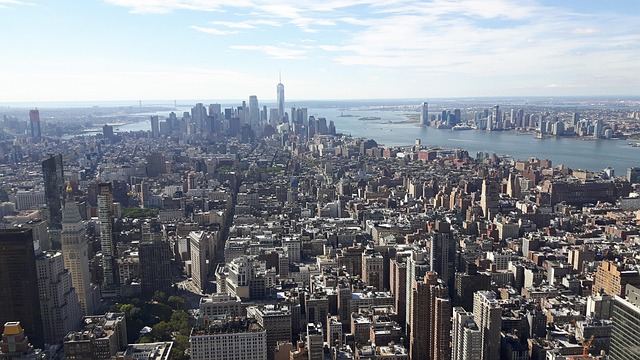
New York City, a global hub for technology and innovation, faces unique challenges when it comes to managing tech trash—the byproducts of our digital age. Proper e-waste recycling in Manhattan is not just an environmental imperative but also a strategic necessity for businesses operating in this dynamic city. Effective computer recycling networks can significantly reduce the environmental footprint of fast-paced urban life while fostering sustainability and resource conservation.
Manhattan, known for its dense population and high concentration of tech startups and enterprises, generates substantial amounts of e-waste. According to recent studies, New York City alone disposes of over 100,000 tons of electronic waste annually, with a significant portion coming from outdated gadgets and computer equipment. To address this growing concern, businesses in Manhattan have begun adopting e-waste reduction strategies, recognizing the importance of proper recycling methods. One effective approach is to collaborate with specialized computer recycling centers that offer efficient and eco-friendly solutions. For instance, several Downtown NY locations now provide accessible drop-off points for recycled electronics, encouraging residents to responsibly dispose of their old devices.
The key to successful e-waste management lies in adopting a structured, consistent recycling program. Businesses should consider partnering with local or regional recycling networks that specialize in handling tech trash. These partnerships ensure proper disposal methods, from data sanitization to component dismantling and material repurposing. By integrating these strategies into their operations, Manhattan businesses can contribute to the global e-waste reduction effort while aligning themselves with sustainable practices. This proactive approach not only minimizes environmental impact but also positions companies as responsible corporate citizens in New York City.
Benefits and challenges of e-recycling in New York City's metropolitan area

New York City's tech trash recycling landscape is characterized by a unique blend of opportunities and challenges, particularly when it comes to e-waste management. Manhattan NY e-waste recycling has gained significant traction, with programs designed to mitigate the environmental impact of outdated electronics. The city's dense population and status as a global tech hub generate substantial volumes of electronic waste, making efficient recycling strategies crucial. One notable approach is the establishment of dedicated collection points throughout Midtown and Downtown NYC, facilitating the recycling of outdated gadgets from residential and commercial sources.
The benefits of e-recycling are multifaceted. Firstly, it reduces the environmental footprint of technology by preventing hazardous materials from entering landfills. Additionally, it creates job opportunities in the recycling sector, contributing to local employment. For instance, a 2021 study revealed that proper e-waste recycling can divert up to 70% of materials from disposal, with potential for valuable resource recovery. Moreover, promoting Manhattan NY e-waste recycling encourages responsible consumer behavior and fosters a culture of sustainability within the tech-savvy metropolis.
However, challenges remain. The improper disposal of old technology, especially in densely populated areas like NYC, poses significant risks to both human health and the environment. Guidelines for electronic waste disposal must be communicated effectively to residents and businesses. This includes proper segregation of materials, understanding what can be recycled, and adhering to collection schedules. Collaborating with tech manufacturers to facilitate take-back programs could also streamline the recycling process. Despite these challenges, Manhattan NY e-waste recycling provides a promising model for other urban centers grappling with similar issues, offering valuable insights into sustainable waste management strategies for the digital age.
Manhattan NY e-waste recycling programs offer a comprehensive solution to manage the growing tech trash problem in the city. By understanding local initiatives and proper recycling methods, residents can actively contribute to environmental sustainability. The benefits of e-recycling include resource conservation, reduced electronic waste in landfills, and potential economic gains from recycling valuable materials. However, challenges such as inadequate collection infrastructure and public awareness demand focused efforts to educate and streamline the process. Taking practical steps like participating in community recycling events, properly categorizing tech trash, and advocating for enhanced e-waste management policies can drive positive change. These key insights underscore the importance of Manhattan NY e-waste recycling in creating a greener, more sustainable future for the city's vibrant tech landscape.