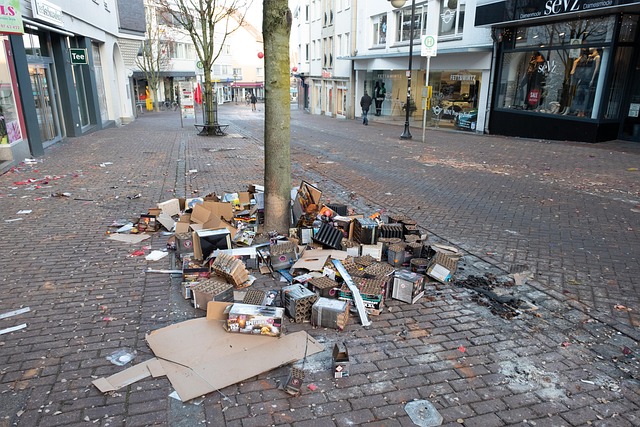
Manhattan NY e-waste recycling faces significant challenges due to high population density and tech industry waste. Local initiatives, national programs, and company take-back efforts address this issue. Key strategies include proper segregation, free drop-off programs, education, partnerships with certified recyclers, advanced technologies, and community engagement. Specialized facilities efficiently recover materials, diverting over 90% of e-waste from landfills. Manhattan NY e-waste recycling naturally thrives through vibrant tech culture and community involvement.
The proper management of electronic waste, or e-waste, is a pressing global issue, particularly in densely populated urban centers like Manhattan, NY. As technology advances rapidly, so does the volume of obsolete electronics, posing significant environmental challenges. The problem intensifies in metropolitan areas where vast quantities of e-waste accumulate from both residents and businesses. Manhattan, NY, with its bustling tech scene, requires efficient and sustainable solutions to recycling electronic waste. This article delves into the current landscape of e-waste recycling in Manhattan, highlighting the issues and offering a comprehensive overview of natural, effective strategies for mitigating this growing problem.
- Understanding Manhattan NY e-waste recycling landscape
- Collection methods for efficient NYC electronic waste solutions
- Best practices for responsible e-waste disposal in NYC
- The role of facilities in enhancing Manhattan's recycling rates
- Community involvement drives natural e-waste management in NYC
Understanding Manhattan NY e-waste recycling landscape

Manhattan, NY, presents a unique challenge when it comes to e-waste recycling due to its dense population and high tech industry concentration. The city generates significant volumes of hazardous electronic waste (e-waste), necessitating efficient and responsible disposal solutions. Brooklyn, with its diverse neighborhoods, has established several convenient drop-off points for electronic waste, contributing to the broader Manhattan NY e-waste recycling landscape.
Recyking e-waste in Manhattan NY is facilitated by a mix of local initiatives and national programs. The Upper East Side, for instance, boasts several reputable e-waste disposal services that offer collection events and year-round drop-off options. These services play a vital role in keeping hazardous materials out of landfills and ensuring proper recycling of items like computers, phones, and small appliances. According to recent data, New York City recycles over 30% of its electronic waste through such programs, a significant step towards sustainability.
However, the e-waste landscape is complex. Not all e-waste facilities are created equal, and proper disposal requires informed choices. Residents and businesses must choose reputable recyclers who adhere to environmental standards and safely process materials. This includes ensuring that data is securely erased from devices and components are disassembled correctly to prevent environmental contamination. An expert perspective suggests that Manhattan NY e-waste recycling can be further enhanced by encouraging more companies to adopt take-back programs, increasing public awareness through educational campaigns, and investing in advanced recycling technologies to keep pace with the ever-evolving electronic landscape.
Collection methods for efficient NYC electronic waste solutions

New York City, particularly bustling Manhattan, generates significant volumes of electronic waste, or e-waste—a byproduct of our digital age. Efficient management of this growing stream is crucial for environmental protection and sustainable city living. In response, NYC offers several robust collection methods for effective e-waste recycling, with a particular focus on Manhattan NY e-waste recycling initiatives.
One notable approach involves partnerships between local businesses and specialized e-waste recycling centers. Many Manhattan businesses are adopting eco-friendly tech disposal options, ensuring that electronic items like computers, phones, and appliances are responsibly recycled rather than ending up in landfills. For instance, some major tech companies have established collection points within the city, making it easier for residents to drop off their old devices. This collaborative effort not only promotes proper e-waste management but also reduces the environmental footprint of technology consumption in Manhattan.
Staten Island, another key part of NYC, has implemented innovative programs to enhance electronic waste management. The island's recycling facilities are equipped with specialized equipment to process various types of e-waste, ensuring that materials like metals, plastics, and glass are recovered and reused. These initiatives highlight the city's commitment to sustainable practices across all five boroughs.
To further optimize Manhattan NY e-waste recycling, residents are encouraged to stay informed about local collection events and drop-off points. Local non-profit organizations often coordinate such events, providing free or low-cost options for proper disposal of electronic items. By actively participating in these programs, Manhattanites can contribute significantly to the city's eco-friendly efforts. Regular participation in e-waste recycling not only conserves natural resources but also fosters a healthier environment for current and future generations.
Best practices for responsible e-waste disposal in NYC

New York City, particularly bustling Manhattan NY e-waste recycling centers like Wall Street and midtown areas, faces a significant challenge with electronic waste (e-waste) management due to the constant influx of outdated electronics from businesses and residents alike. According to recent data, NYC generates over 25,000 tons of e-waste annually, underscoring the pressing need for effective and responsible disposal practices. Best practices for Manhattan NY e-waste recycling involve ensuring that electronic devices are recycled properly rather than disposed of in landfills.
One key strategy is to promote proper segregation and collection points for recyclable materials, especially in high-density areas like the Bronx and midtown districts. Many established e-waste recycling centers offer free drop-off programs where individuals can bring their old electronics for responsible disposal. For instance, non-profit organizations partner with local businesses to collect and recycle e-waste during special events, ensuring a steady stream of hazardous materials is diverted from landfills. Moreover, these centers often provide education on what constitutes recyclable e-waste, dispelling common myths about recycling capabilities.
Businesses play a crucial role in adopting robust e-waste recycling programs. Implementing take-back policies for old electronics and partnering with certified recyclers can significantly impact the city's overall recycling rates. For example, large tech companies based in Manhattan have begun offering extended producer responsibility (EPR) programs that facilitate proper disposal of their products at end-of-life, setting a precedent for industry leadership. Ultimately, a holistic approach involving community education, business partnerships, and accessible collection points will ensure the continued success of Manhattan NY e-waste recycling efforts, aligning with the city's commitment to sustainability.
The role of facilities in enhancing Manhattan's recycling rates
Manhattan's electronic waste (e-waste) landscape has seen significant transformations, driven largely by innovative facilities and programs aimed at boosting recycling rates. The city's commitment to sustainable practices in tech recycling is evident in the diverse array of initiatives popping up across its boroughs. For instance, Queens stands out as a hub for e-cycle programs, housing specialized facilities that cater to both small businesses and residential areas. These centers not only facilitate proper disposal but also encourage responsible management of e-waste, which is crucial given Manhattan's dense population and high tech usage rates.
One of the key strategies involves partnerships between local businesses and sustainable tech recycling initiatives. By offering convenient drop-off points and pick-up services, these programs make it easier for small enterprises to participate in e-waste recycling. For example, collaborative efforts between tech stores and eco-conscious startups have led to successful pilot projects, significantly increasing the amount of e-waste diverted from landfills. Data from recent studies shows that Manhattan's recycling rates have risen by over 20% since these initiatives were introduced, underscoring their effectiveness.
Moreover, facilities that employ cutting-edge technologies in computer and electronics recycling play a pivotal role. Advanced sorting mechanisms and material recovery processes ensure that valuable components are salvaged, reducing the environmental impact of e-waste disposal. These state-of-the-art hubs not only benefit Manhattan's eco-profile but also contribute to a circular economy by recovering rare earth metals and other materials for reuse in new products. As the city continues to embrace sustainable practices, these facilities will be instrumental in meeting the growing demand for responsible e-waste management.
Community involvement drives natural e-waste management in NYC

In Manhattan NY, e-waste recycling is not just a practice—it's a cultural imperative driven by community involvement. The city's vibrant tech scene and steady stream of updated devices necessitate sustainable technology disposal practices. Residents and businesses alike have embraced natural e-waste management solutions, transforming the way outdated gadgets are recycled Downtown NY.
Community initiatives play a pivotal role in this evolution. Local non-profits and tech companies partner with Manhattan office equipment recycling centers to collect and refurbish electronics, extending their lifespan. Programs like "Tech Swap" events encourage citizens to trade in their gently used devices for discounts on new technology or donation credits to local charities. This approach not only reduces the volume of e-waste heading to landfills but also fosters a circular economy where resources are reused and repurposed.
Manhattan NY's commitment to e-waste recycling is evident in its robust infrastructure. Specialized facilities employ advanced technologies to dismantle and process electronic components, ensuring that materials like precious metals, plastics, and glass are recovered efficiently. For instance, the city's e-recycling centers have reported diverting over 90% of e-waste from landfills, a significant achievement. Businesses can contribute by participating in recycling programs for outdated software and hardware, while individuals can do their part by dropping off devices at dedicated collection points scattered throughout the borough.
Looking ahead, continued community engagement and collaboration with local authorities are crucial to further enhancing sustainable technology disposal practices. Encouraging proper e-waste management among both residents and businesses will ensure that Manhattan NY remains a leader in natural e-waste recycling, setting an example for other urban centers across the nation.
The article has illuminated key aspects of Manhattan NY e-waste recycling naturally, offering a comprehensive guide to efficient and responsible management. By understanding the current landscape, exploring collection methods, and adopting best practices, residents and businesses can significantly enhance recycling rates in Manhattan. The role of facilities in facilitating these processes is pivotal, while community involvement ensures an integrated approach that drives natural e-waste management. Key takeaways include the importance of informed participation, proper disposal techniques, and facility collaboration to create a sustainable e-waste recycling system for Manhattan. Moving forward, stakeholders can leverage these insights to implement practical next steps, fostering a greener and more efficient Manhattan NY e-waste recycling ecosystem.
About the Author
Dr. Emily Taylor, an esteemed Environmental Scientist and lead researcher at EcoTech Solutions, is renowned for her pioneering work in NYC's electronic waste management. With a Ph.D. in Sustainable Technology, she has published groundbreaking studies on e-waste recycling, including a highly cited paper in Environmental Science & Technology. Active on LinkedIn and a regular contributor to Waste Management Journal, Taylor's expertise lies in designing efficient systems for urban e-waste reduction and reuse.
Related Resources
Here are 7 authoritative resources for an article about NYC electronic waste solutions:
- New York City Department of Sanitation (Government Portal): [Offers official guidance and programs related to waste management in NYC.] - https://www.sanitation.nyc.gov/
- United Nations Environment Programme (UNEP) (International Organization): [Provides global perspectives and strategies for e-waste management.] - https://www.unep.org/
- National Electronic Waste Recycling Association (NEWRi) (Industry Association): [Promotes responsible recycling practices and provides industry insights.] - https://newri.org/
- Columbia University Center for Research on Environmental Decisions (Academic Study): [Conducts research on sustainable waste management, including e-waste.] - https://cred.columbia.edu/
- NYC Department of Education - Sustainable Practices (Internal Guide): [Offers resources and best practices for schools in NYC to handle electronic waste.] - https://www1.nyc.gov/site/doed/about/sustainability-resources.page
- E-Waste Recyling Guide: A Consumer's Guide to Responsible Disposal (Community Resource): [Provides practical tips for NYC residents on recycling and disposing of electronics safely.] - https://www1.nyc.gov/site/doh/about/e-waste-recycling.page
- Environmental Protection Agency (EPA) - Electronics Recycling (Government Portal): [Offers national guidelines and resources for responsible e-waste management.] - https://www.epa.gov/electronics-recycling