
Manhattan NY e-waste recycling faces challenges due to high generation rates (50 million pounds annually). Specialized companies play a role but informal recycling is low. Innovative methods like metal extraction gain traction. Firms collaborate with communities and schools for education on proper disposal, exploring new tech like automated sorting systems to reduce costs and streamline processing. Midtown's tech hub hosts successful weekly e-waste drop-off events. Partnerships with recycling facilities make Manhattan e-waste recycling naturally more viable. Collaborative programs with manufacturers, experts, and organizations promote responsible collection and efficient recovery of valuable materials, reducing environmental impact and fostering a circular economy.
In the digital age, the management of electronic waste, or e-waste, has emerged as a pressing global challenge. With rapid technological advancements, Manhattan, NY, like many urban centers, faces an increasing influx of obsolete electronics. The problem lies in the complex composition of e-waste, which includes toxic materials that can cause significant environmental and health hazards if not handled properly. However, sustainable tech waste management offers a promising solution. This article delves into innovative strategies to address this crisis, focusing on successful examples like Manhattan's e-waste recycling initiatives, where natural solutions are leading the way toward a greener future.
- Understanding E-Waste in Manhattan: Challenges and Opportunities
- Natural Recycling Solutions for Tech Waste in NYC
- Effective Strategies for Sustainable E-Waste Management
Understanding E-Waste in Manhattan: Challenges and Opportunities
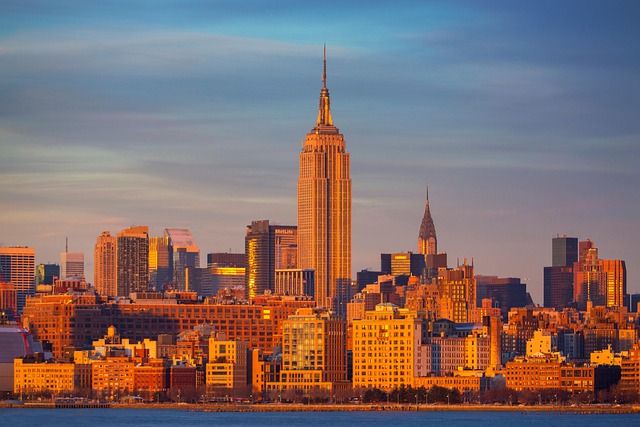
Manhattan, NY, a global tech hub, faces unique challenges when it comes to e-waste management. With a dense population and high tech adoption rates, the city generates significant volumes of electronic waste annually. This e-waste includes a diverse range of items from outdated smartphones and computers to complex server equipment. The primary challenge lies in ensuring proper eco-conscious tech disposal methods that minimize environmental impact while maximizing resource recovery.
Currently, Manhattan e-waste management companies play a crucial role in addressing this issue. Many residents and businesses rely on these specialized services for responsible tech recycling. According to recent data, less than 20% of e-waste generated in the city is formally recycled, highlighting the need for improved infrastructure and public awareness. Eco-conscious tech recycling Manhattan initiatives are gaining traction, however, with some companies employing innovative methods to extract valuable materials such as gold, silver, and rare earth elements from discarded electronics.
To meet the growing demand for sustainable tech waste management, several Manhattan e-waste management companies have partnered with local schools and community groups to educate residents on the importance of proper disposal. These efforts aim to promote eco-conscious practices and increase participation in formal recycling programs. Additionally, the city has begun exploring new technologies like automated sorting systems to enhance efficiency and reduce costs associated with e-waste processing. By adopting these strategies, Manhattan can strive towards becoming a leader in sustainable tech waste management, setting an example for other urban centers worldwide.
Natural Recycling Solutions for Tech Waste in NYC

New York City, particularly Manhattan, faces unique challenges when it comes to tech waste management due to its high concentration of tech businesses and residents. However, innovative natural recycling solutions are transforming e-waste management in this bustling metropolis. One notable approach involves collaboration with local tech waste management consultants who specialize in eco-friendly disposal methods. These experts facilitate the proper recycling of outdated electronics, ensuring hazardous materials are handled securely and responsibly.
For instance, Manhattan's tech hub in Midtown has seen significant success with weekly e-waste drop-off events organized by a leading tech waste management company. These events not only educate residents but also provide an accessible way to dispose of old computers, smartphones, and other electronic devices. According to recent data, New York City generates approximately 10,000 tons of tech waste annually, highlighting the importance of such initiatives. By partnering with specialized recycling facilities, Manhattan NY e-waste recycling naturally becomes a viable option, contributing to the city's overall sustainability goals.
Moreover, natural recycling solutions extend beyond individual efforts. Businesses and local government can play crucial roles by adopting comprehensive tech waste management strategies. This includes proper labeling and collection systems within buildings and increased awareness among employees. By integrating these practices, New York City can ensure that its tech waste is recycled or repurposed effectively, reducing environmental impact and fostering a greener future. Regular recycling of outdated electronics midtown and throughout the city not only minimizes hazardous waste but also recovers valuable materials, showcasing a sustainable approach to urban life.
Effective Strategies for Sustainable E-Waste Management
Sustainable e-waste management is a pressing concern in the rapidly evolving tech industry, particularly in densely populated urban centers like Manhattan NY. With an estimated 50 million pounds of electronic waste generated annually just within New York City, effective strategies are paramount to minimize environmental impact and maximize resource recovery. Manhattan business e-waste solutions must evolve beyond traditional disposal methods to embrace innovative practices that align with sustainable technology disposal principles.
One promising approach involves integrating natural recycling processes inspired by Manhattan's diverse ecosystem. For instance, local initiatives explore using biological decomposition to break down certain e-waste components, mimicking nature's efficient recycling mechanisms. Additionally, the Upper East Side and other Manhattan neighborhoods can benefit from collaborative programs that facilitate responsible e-waste collection and processing. By establishing partnerships with tech manufacturers, waste management experts, and community organizations, these programs ensure proper disposal services while fostering a culture of environmental stewardship among residents and businesses.
Data from recent studies highlights the potential economic and environmental benefits: efficient e-waste recycling can recover valuable materials such as gold, silver, and rare earth metals, reducing the need for harmful mining practices. In Manhattan, where tech companies are prevalent, adopting sustainable technology disposal practices not only reduces carbon footprints but also contributes to a circular economy model, fostering innovation and local job creation. By embracing these strategies, Manhattan NY e-waste recycling can serve as a model for other urban centers worldwide, demonstrating that responsible tech waste management is both feasible and impactful.
Through a comprehensive exploration of Manhattan NY e-waste recycling naturally, this article has underscored the multifaceted challenges and opportunities associated with managing tech waste. Key insights reveal that while New York City grapples with an influx of electronic debris, innovative natural recycling solutions offer promising avenues for sustainable e-waste management. Effective strategies, including collaborative partnerships, extended producer responsibility, and consumer education, are pivotal in transforming Manhattan's e-waste landscape. By adopting these practices, we can foster a more eco-conscious future where tech waste is not a burden but a resource awaiting responsible reintegration into the Manhattan NY ecosystem. This article equips readers with actionable takeaways, empowering them to contribute to the city's green revolution.