
Manhattan NY e-waste recycling naturally faces a growing challenge due to high electronic waste generation from its tech hub status. Robust programs include specialized facilities, convenient drop-off points, and community education. Collaborative efforts between businesses, city departments, and organizations ensure proper disposal, data security, and resource recovery. Innovative technologies minimize environmental impact, setting a global benchmark for sustainable e-waste management as e-waste generation continues to rise.
In the digital age, the rapid proliferation of electronics has led to a significant and often overlooked environmental challenge: e-waste. As our reliance on technology grows, so does the volume of discarded electronic devices, posing substantial risks to both the environment and human health if not managed responsibly. Manhattan, NY, faces a particular dilemma given its dense population and tech-driven culture. This article delves into the pressing issue of e-waste elimination, highlighting the dangers of improper disposal and showcasing innovative solutions, such as Manhattan's leading e-recycling programs, offering a path towards a greener future for our city and setting an example for sustainable tech waste management globally.
- Understanding E-Waste in Manhattan NY: The Basics
- Impact of Improper Tech Waste Disposal
- Manhattan NY's Official E-Waste Recycling Programs
- Eco-Friendly Alternatives for Tech Waste Elimination
- Future Trends in Sustainable E-Waste Management
Understanding E-Waste in Manhattan NY: The Basics

Manhattan, NY, a bustling metropolis known for its technological innovation, faces a unique challenge: managing e-waste effectively. With a high concentration of tech businesses and residents relying on electronic devices, understanding and implementing proper e-waste recycling methods is paramount. This comprehensive guide delves into the basics of e-waste in Manhattan NY, offering insights into management strategies and their impact on the city's environmental health.
E-waste, or electronic waste, refers to discarded electronics such as computers, smartphones, and home appliances. In Manhattan NY, where tech startups and large corporations thrive, the volume of e-waste generated is substantial. According to recent statistics, New York State ranks among the top states for electronic waste produced per capita, highlighting the pressing need for efficient recycling programs. Manhattan e-waste management companies play a vital role in mitigating this issue by providing collection points and sustainable disposal methods. These companies often collaborate with local initiatives to organize tech waste reduction campaigns, ensuring that e-waste is handled responsibly.
One successful example is the annual "Recycle Your Electronics" event hosted by the City of New York. This campaign offers free drop-off locations across Manhattan, making it convenient for residents to dispose of their outdated electronics safely. By partnering with specialized recycling facilities, these events ensure that e-waste is properly processed, preventing harmful substances from entering the environment. In addition to these initiatives, businesses can implement sustainable practices by offering employee incentives for responsible tech disposal and choosing eco-friendly products during procurement.
Long-term success in Manhattan NY e-waste recycling requires a collective effort. Individuals must prioritize proper disposal methods, while companies should adopt circular economy principles. By engaging in these practices consistently, Manhattan can become a leader in sustainable e-waste management, leaving a positive environmental impact for future generations.
Impact of Improper Tech Waste Disposal
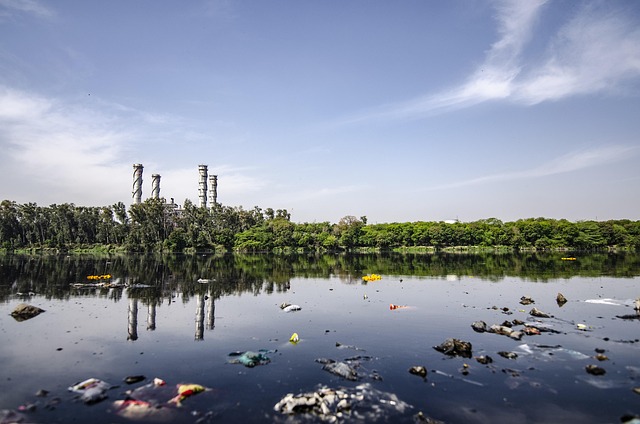
The improper disposal of tech waste is a growing concern, especially in densely populated urban centers like Manhattan NY. When electronics are dumped in landfills or incinerated, toxic chemicals leach into the environment, posing significant risks to human health and ecosystems. For instance, computer monitors contain lead, which can cause neurological damage, while old batteries contain lithium and other metals that, if not handled correctly, can contaminate groundwater. According to the EPA, e-waste accounts for a staggering 70% of the toxic waste in the US, underscoring the urgency of adopting safe tech waste elimination practices.
Manhattan NY residents have access to several eco-friendly solutions, such as free e-waste collection events and computer and laptop recycling services. Organizations like the NYC Department of Sanitation host regular collection events where citizens can drop off their old electronics responsibly. Additionally, facilities like the Computer and Electronics Recycling Hub in Queens serve as central points for proper disposal and recycling of tech waste, processing items ranging from computers and phones to small appliances. These initiatives not only mitigate environmental damage but also support the circular economy by recovering valuable materials that can be repurposed.
Despite these options, many New Yorkers remain unaware of the available resources or face challenges in accessing them. This is where community education and outreach programs play a vital role. Encouraging proper tech waste disposal requires raising awareness about the potential hazards and providing clear guidance on how to participate in local recycling efforts. By integrating these practices into daily routines, Manhattan NY can move towards becoming a leader in sustainable e-waste management, setting an example for other urban centers across the nation.
Manhattan NY's Official E-Waste Recycling Programs

Manhattan NY, known for its bustling streets and dynamic culture, is also at the forefront of sustainable practices, including innovative e-waste recycling programs. The city's official initiatives play a pivotal role in addressing the growing challenge of electronic waste management. With a population as dense as Downtown NY's urban fabric, efficient e-waste collection points throughout Manhattan are essential. According to recent data, New York City generates over 25,000 tons of electronic waste annually, underscoring the urgency for effective recycling solutions.
The Green IT Recycling Programs NYC has implemented provide a comprehensive framework for residents and businesses to responsibly dispose of outdated gadgets. These programs not only facilitate e-waste collection but also ensure proper recycling and data security. For instance, the city's partnership with certified recyclers guarantees that sensitive information is securely erased from devices before they enter the recycling process. This dual focus on environmental protection and data privacy sets Manhattan apart as a leader in green IT initiatives.
Manhattan's approach to e-waste recycling involves strategic locations for collection points. Local community centers, libraries, and even some parks have been designated as drop-off sites, making it convenient for residents to participate. These collection events are regularly scheduled, allowing New Yorkers to align their responsible disposal practices with their busy lifestyles. By fostering collaboration between city departments, private sector partners, and community organizations, Manhattan NY e-waste recycling programs continue to evolve, ensuring a cleaner and more sustainable future for the metropolis.
Eco-Friendly Alternatives for Tech Waste Elimination
As the world grapples with the growing issue of tech waste, particularly in densely populated urban centers like Manhattan NY, adopting eco-friendly alternatives for tech disposal has become paramount. Traditional methods of e-waste management often fall short, contributing to environmental harm and resource depletion. Fortunately, innovative solutions are emerging, offering New Yorkers sustainable paths to responsible tech waste elimination. One notable example is the thriving computer and electronics recycling hub in Queens, which serves as a model for effective tech waste management consultants NYC.
Manhattan NY e-waste recycling has seen a surge in interest due to the increasing volume of electronic devices reaching the end of their lifecycle. According to recent data, over 50 million tons of e-waste are generated globally each year, with only a fraction being recycled appropriately. This highlights the urgent need for accessible and eco-conscious tech disposal options. The Queens recycling center exemplifies this trend by processing tens of thousands of pounds of e-waste annually, diverting valuable materials from landfills and conserving natural resources. By employing advanced technologies and adhering to stringent environmental standards, these facilities ensure that electronic components are safely dismantled and recycled, minimizing the ecological footprint associated with traditional disposal methods.
Beyond the hub in Queens, NYC residents have access to numerous eco-friendly tech disposal options. Many local businesses and non-profit organizations offer free or low-cost recycling programs for computers, smartphones, and other electronics. For instance, the New York City Department of Sanitation provides regular e-waste collection events across the city, encouraging residents to responsibly dispose of their old devices. Additionally, specialized tech waste management consultants NYC can assist businesses in developing tailored strategies for sustainable electronic disposal, ensuring compliance with environmental regulations and maximizing resource recovery. By embracing these green alternatives, Manhattan NY can take a significant step towards reducing its ecological footprint and setting a benchmark for eco-friendly tech waste management worldwide.
Future Trends in Sustainable E-Waste Management

As technology continues to evolve at a rapid pace, so does the volume of electronic waste (e-waste) generated globally. Manhattan NY e-waste recycling programs are leading the way in sustainable management practices, setting an example for other urban centers like NYC and Brooklyn neighborhoods. The future of e-waste disposal lies in innovative approaches that blend environmental stewardship with technological advancements. Green IT recycling initiatives in NYC, for instance, have seen significant growth, with e-cycle events in Brooklyn demonstrating strong community participation. These events not only facilitate responsible e-waste collection but also raise awareness about the importance of proper disposal.
One notable trend is the increased use of specialized facilities and collection points tailored to the unique challenges of e-waste. Manhattan, for example, boasts several e-waste collection points that operate 1-3 times weekly, ensuring convenient access for residents. These collection sites employ advanced technologies to safely dismantle and recycle various electronic components, minimizing environmental impact. By adopting such strategies, cities like Manhattan NY are demonstrating a commitment to reducing the ecological footprint associated with e-waste.
Moreover, future trends will likely involve enhanced collaboration between technology manufacturers, recycling companies, and local governments. This unified effort can lead to more efficient recycling processes, better resource recovery rates, and cost savings for both consumers and municipalities. As data on global e-waste generation continues to rise, adopting best practices in Manhattan NY e-waste recycling naturally becomes imperative. Effective management not only preserves the environment but also fosters a circular economy where electronic resources are reused and repurposed, ensuring a sustainable future for generations to come.
In conclusion, this article has comprehensively explored the critical issue of tech waste elimination in Manhattan NY, offering a multi-faceted understanding of e-waste management. Key insights include the urgent need to address improper disposal methods, which can have detrimental environmental impacts. Manhattan NY's official recycling programs are highlighted as essential initiatives, providing residents with accessible and responsible avenues for tech waste disposal. Furthermore, the piece emphasizes the importance of eco-friendly alternatives, encouraging innovative solutions to revolutionize e-waste management. By delving into future trends, it becomes evident that sustainable practices will play a pivotal role in shaping Manhattan NY's e-waste recycling landscape. Readers now possess valuable knowledge and practical takeaways to contribute to the city's ongoing efforts towards a greener, more responsible tech waste elimination system.