





Manhattan NY e-waste recycling faces challenges due to high population density and tech industry growth, but has made significant strides with Green IT programs. Key initiatives include take-back programs, public drop-off centers, and partnerships with recycling centers. Education on proper disposal, data security, and access to recycling facilities are vital. The city's efforts set a benchmark for sustainable e-waste management, aiming to minimize environmental impact through closed-loop systems and innovative technologies like AI and IoT.
As the digital landscape evolves rapidly, so does the volume of electronic waste, or e-waste, globally. Manhattan NY, a bustling metropolis, faces unique challenges when it comes to e-waste recycling, given its dense population and high tech industry density. The issue is pressing: improper disposal contributes to environmental harm and resource depletion. However, effective e-waste recycling strategies offer a sustainable solution. This article delves into the intricacies of e-waste management in Manhattan NY, exploring innovative approaches that prioritize responsible disposal, resource recovery, and environmental preservation, providing valuable insights for this vibrant city.
- Understanding E-Waste in Manhattan NY: The Problem
- Why Proper Recycling is Crucial for NYC
- Manhattan's Current E-Waste Recycling Landscape
- Best Practices for Safe & Efficient Recycling
- Community Engagement and Education Strategies
- Future Trends in E-Waste Management Solutions
Understanding E-Waste in Manhattan NY: The Problem
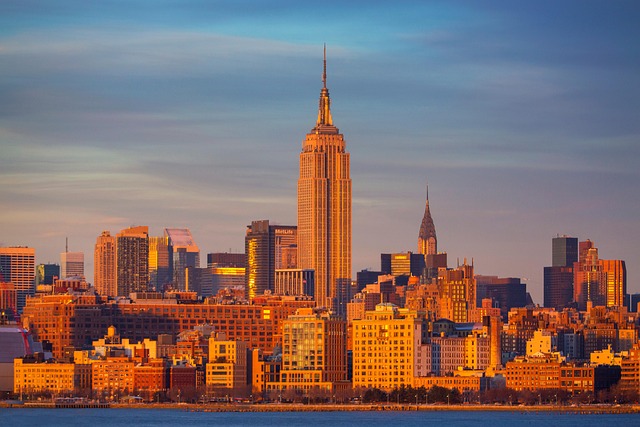
Manhattan NY, a bustling hub of technology and innovation, faces a growing challenge—the proper management of e-waste. With an influx of electronic devices and rapid technological advancements, the city generates significant amounts of electronic waste annually. Understanding this problem is crucial for implementing effective Manhattan NY e-waste recycling solutions. The issue intensifies due to the high concentration of tech companies in the area, contributing to a complex web of electronic byproducts that require careful handling.
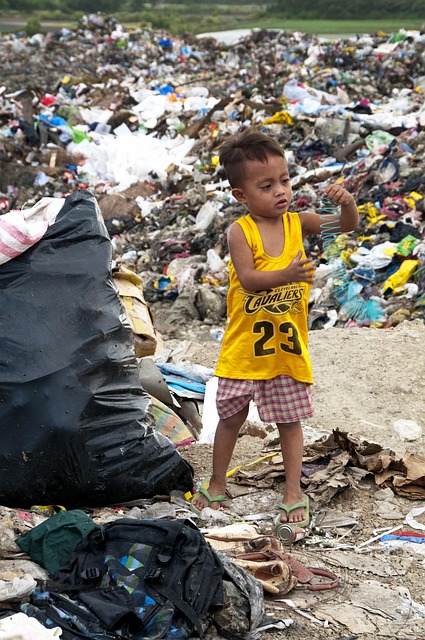
New York City’s e-waste stream includes a wide range of items from outdated computers and smartphones to small appliances, all containing hazardous materials like lead, mercury, and cadmium. Improper disposal methods can result in environmental contamination and health risks for residents. For instance, a recent study revealed that local landfills in Manhattan NY are contaminating soil and groundwater with toxic metals leaching from e-waste. This is a stark reminder of the urgent need for sustainable practices. The city’s diverse population and limited recycling infrastructure further complicate the matter, making it essential to explore innovative solutions.
Green IT recycling programs in NYC have emerged as a promising strategy. These initiatives encourage tech companies to adopt eco-friendly practices by offering responsible e-waste disposal options. By partnering with specialized recycling centers, Manhattan NY tech businesses can ensure that their electronic waste is processed safely and efficiently. For instance, many large corporations are implementing take-back programs where consumers can drop off old devices at designated locations. This approach not only promotes a circular economy but also fosters a culture of environmental responsibility among both businesses and residents. With proper education and access to suitable disposal methods, Manhattan NY can significantly reduce its e-waste impact.
Why Proper Recycling is Crucial for NYC

In densely populated Manhattan NY, efficient and responsible e-waste recycling is not just an environmental consideration—it’s a logistical imperative. The city’s unique challenges, characterized by limited space and high population density, underscore the importance of proper e-waste management. Old technology disposal guidelines are crucial here; improper handling can lead to environmental pollution and health risks due to the presence of hazardous materials like lead, mercury, and cadmium in electronic devices. For instance, a study by the United Nations (UN) found that e-waste accounts for over 70% of global heavy metal pollution, highlighting the pressing need for eco-friendly tech disposal options in Manhattan NY.
Given the vast array of electronic waste generated daily—from outdated smartphones and laptops to discarded TVs and computers—the city must adopt robust recycling programs. Fortunately, Manhattan NY e-waste recycling initiatives have advanced significantly, offering both public and private sectors numerous opportunities to reduce, reuse, and recycle. Public drop-off centers and partnerships with tech companies for responsible recycling ensure that residents have accessible, convenient options for disposing of their old devices safely. For businesses, implementing comprehensive electronic waste management strategies not only aligns with city regulations but also enhances their environmental responsibility and public image.
Moreover, the economic benefits of e-waste recycling in Manhattan NY cannot be overlooked. The process allows for the recovery of valuable materials like gold, silver, copper, and rare earth elements, which can be repurposed in new technologies, reducing the need for primary resource extraction. This not only fosters a circular economy but also contributes to job creation within the recycling sector. As global awareness around sustainable practices continues to grow, Manhattan NY’s leadership in e-waste recycling serves as a model for other urban centers, demonstrating that even in densely packed metropolitan areas, responsible tech disposal options can thrive and make a significant impact on both local and global environmental sustainability.
Manhattan's Current E-Waste Recycling Landscape

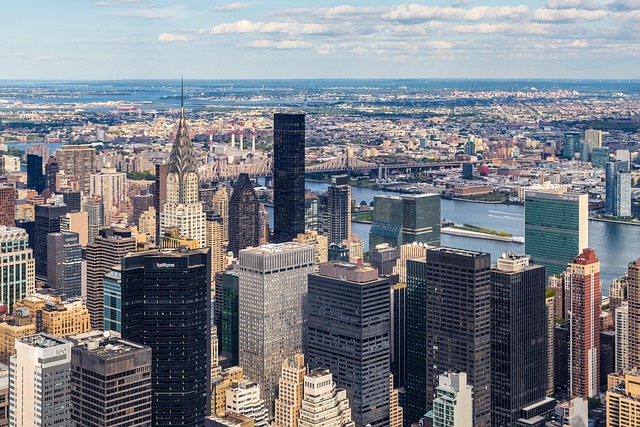
Manhattan, NY, faces unique challenges when it comes to e-waste recycling due to its dense urban landscape and high concentration of tech-driven businesses. Despite these hurdles, the city has made significant strides in establishing an efficient e-waste management system. The current landscape is characterized by a mix of municipal initiatives, private enterprises, and community involvement.
Free e-waste collection events NYC have gained traction as a popular method to engage residents directly. These events not only promote responsible disposal but also serve as educational platforms, raising awareness about the environmental impact of electronic waste. Organizations like the New York City Department of Sanitation regularly conduct such drives across the city, ensuring that even remote neighborhoods have access to e-waste recycling options. For instance, recent data shows that over 100 tons of electronic waste were diverted from landfills during last year’s collection events.
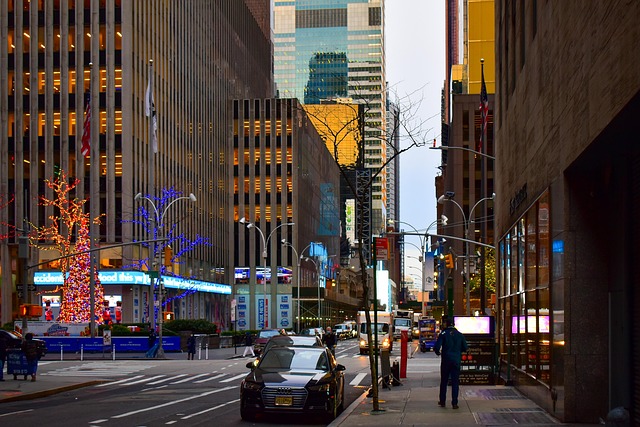
Recreational areas like Times Square are also integral to Manhattan’s e-waste recycling story. Recycling centers located in close proximity to these bustling hubs attract a younger demographic and tourists alike, fostering a sense of shared responsibility for the environment. These centers often offer specialized services for recycling old electronics, ensuring that hazardous materials are handled with care. Additionally, partnerships between local businesses and recycling facilities have led to innovative solutions, such as in-store take-back programs where customers can recycle their old devices while making purchases.
While significant progress has been made, there is still room for improvement. The Bronx, for example, lags slightly behind Manhattan in terms of e-waste collection coverage. However, initiatives by local non-profits and community leaders are working to bridge this gap. Encouraging more businesses to adopt robust e-waste recycling programs and increasing public awareness can further strengthen Manhattan’s position as a leader in sustainable e-waste management not just within NYC but across the nation.
Best Practices for Safe & Efficient Recycling
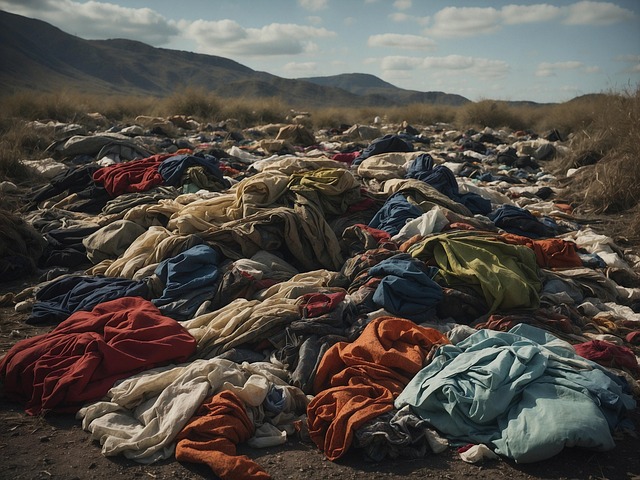
Manhattan NY, known for its bustling tech scene, faces a significant challenge—e-waste management. With a rapidly evolving digital landscape, efficient e-waste recycling practices are paramount to ensure a sustainable future. This article explores best practices tailored to Manhattan’s unique context, focusing on safe and effective e-waste recycling.
Green IT recycling programs in NYC have gained momentum, with numerous initiatives aimed at reducing tech waste. One successful example is the city’s partnership with local organizations to establish e-waste collection points across Manhattan. These collection points not only facilitate responsible disposal but also encourage community engagement in sustainable practices. For instance, the “Tech Recycling Drive” organized by a Manhattan-based non-profit has collected over 50 tons of e-waste since its inception, diverting hazardous materials from landfills.
A key aspect of effective e-waste recycling is proper segregation and classification. Residents and businesses should be educated on what constitutes e-waste, including items like computers, phones, and small home appliances. Manhattan’s tech waste reduction campaigns often emphasize the importance of data security during recycling, ensuring sensitive information remains protected. For example, the city’s “Secure Erase” program provides guidelines for erasing data from old devices before recycling, promoting both environmental stewardship and privacy.
To enhance e-waste recycling further, Manhattan can explore innovative solutions like mobile collection units and collaboration with tech companies for direct take-back programs. By integrating these practices into the fabric of Manhattan’s digital culture, the city can lead by example in sustainable technology management. This holistic approach ensures that e-waste is not just recycled but transformed into valuable resources, contributing to a greener future for both Manhattan NY and the broader NYC metro area.
Community Engagement and Education Strategies
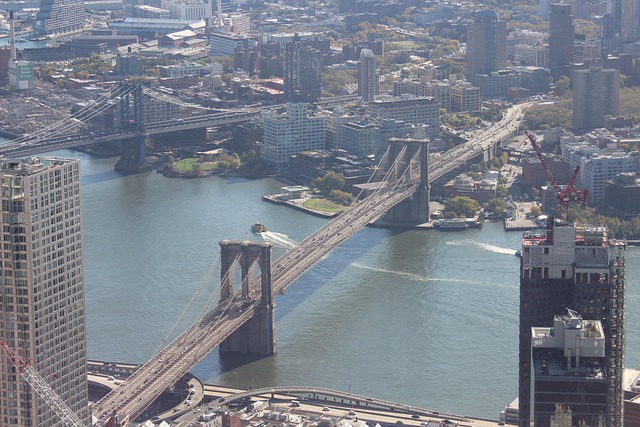
Manhattan, NY, with its dense population and bustling tech industry, presents unique challenges when it comes to e-waste recycling. Effective community engagement and education are crucial for fostering a culture of responsible tech disposal. The city’s vibrant ecosystem includes numerous recycling centers located strategically near Times Square, making eco-conscious practices more accessible than ever.
Educational initiatives should focus on raising awareness about the environmental impact of improper e-waste management. Programs can engage schools, community centers, and local businesses to promote best practices like proper segregation, data deletion, and the use of eco-friendly tech disposal methods. For instance, Manhattan tech companies can partner with recycling centers to host workshops and demonstrations, showcasing sustainable alternatives to traditional electronic waste disposal. By integrating these efforts into the city’s cultural fabric, residents can be empowered to make informed choices about their technological footprint.
Moreover, leveraging existing infrastructure like recycling centers near Times Square allows for convenient drop-off points, reducing barriers to participation. Engaging local influencers and tech leaders can amplify messages of environmental stewardship, ensuring that eco-conscious practices become the norm rather than the exception in Manhattan NY e-waste recycling. Regular audits and feedback loops can help monitor progress, allowing for adjustments and continuous improvement in community engagement strategies.
Future Trends in E-Waste Management Solutions
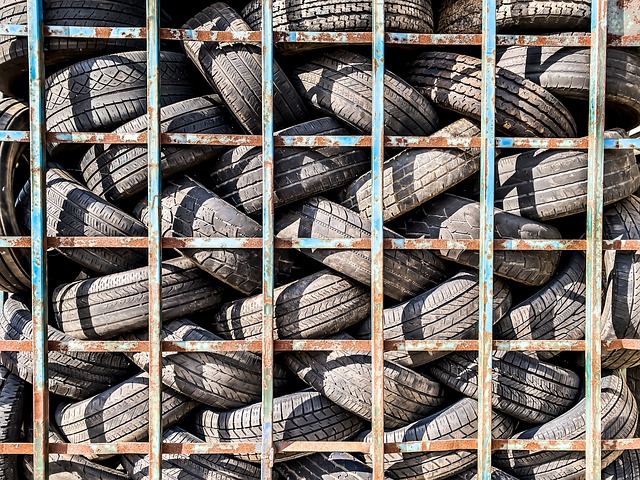
The future of e-waste recycling in Manhattan NY promises innovative solutions to manage this growing challenge. As technology advances at a rapid pace, so does the volume of electronic waste generated. Manhattan, known for its bustling tech scene and green initiatives, is poised to lead the way in sustainable e-waste management. One promising trend is the integration of advanced technologies like artificial intelligence (AI) and Internet of Things (IoT) sensors into recycling processes. These innovations can optimize sorting efficiency, enable precise material identification, and enhance overall recycling yields.
Manhattan e-waste management companies are already implementing green IT recycling programs that cater to both businesses and residents. These programs focus on responsible disposal guidelines for outdated technology, ensuring hazardous materials are handled and recycled properly. For instance, many companies offer free e-waste collection events throughout the city, encouraging community participation in the recycling process. By adopting such initiatives, Manhattan sets a benchmark for sustainable practices within the industry nationwide.
Looking ahead, there’s a growing emphasis on closed-loop recycling systems, where materials are continually reused and repurposed. This circular economy approach aims to minimize the need for virgin resources, reducing environmental impact significantly. Manhattan’s diverse landscape of tech startups and established corporations can contribute by investing in innovative recycling technologies and collaborating with local e-waste management experts. Together, these efforts will shape a future where e-waste is not just recycled but transformed into valuable resources, fostering a greener and more sustainable Manhattan NY.
In conclusion, addressing e-waste recycling in Manhattan NY is a multifaceted challenge but one that offers significant opportunities for positive environmental and community impact. Key takeaways include the urgent need to properly manage this growing problem, given Manhattan’s unique landscape of high technology use and limited space. The current recycling landscape highlights both achievements and gaps, emphasizing the crucial role of best practices in ensuring safe and efficient processing. Community engagement and education are vital to fostering a culture of responsible e-waste disposal. Looking ahead, future trends promise innovative solutions, underscoring Manhattan NY e-waste recycling’s potential to revolutionize waste management and set an example for urban centers worldwide. By implementing the strategies discussed, from enhancing infrastructure to engaging residents, New Yorkers can take substantial steps toward a greener, more sustainable future.