





Manhattan NY e-waste recycling naturally leads with innovative practices, diverting thousands of tons from landfills annually. Key strategies include education, specialized facilities, and collaborative efforts between businesses and local initiatives. Cutting-edge technologies like bacteria extraction and AI sorting enhance sustainability, reducing environmental impact by up to 70%. Community engagement through events and workshops fosters a circular economy, setting a global benchmark for urban e-waste management.
As the digital revolution continues apace, the accumulation of electronic waste—or e-waste—has emerged as a significant environmental challenge, particularly in densely populated urban centers like Manhattan, NY. The proper management and recycling of e-waste are crucial to mitigating environmental harm and ensuring resources are recovered efficiently. The problem is exacerbated by the complex nature of e-waste composition, which poses challenges for traditional recycling methods. This article delves into innovative green tech solutions for trash removal, focusing on a natural e-waste recycling approach specifically tailored to Manhattan’s unique context.
- Understanding Green Tech Trash Removal in Manhattan NY
- The E-Waste Recycling Process: A Natural Approach
- Benefits for Environmental Conservation in NYC
- Manhattan's Infrastructure for Sustainable Disposal
- Community Engagement and Education Key Successes
- Future Trends Shaping Eco-Friendly Waste Management
Understanding Green Tech Trash Removal in Manhattan NY
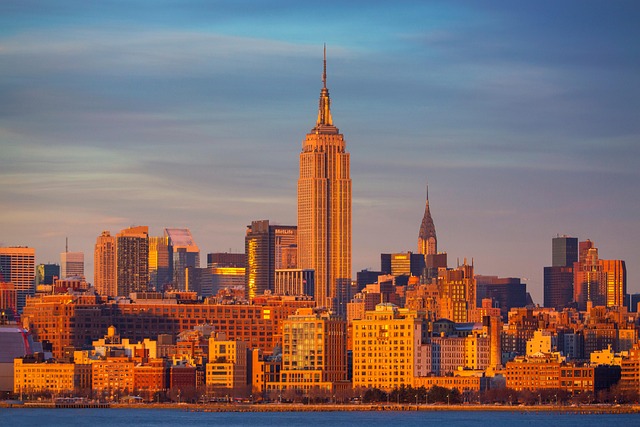
Manhattan NY, known for its bustling streets and vibrant culture, is also at the forefront of embracing green tech trash removal practices. With a growing awareness of the environmental impact of electronic waste, or e-waste, the city has implemented innovative solutions to ensure responsible disposal. Understanding eco-conscious tech disposal methods is crucial in this urban environment where old technology quickly becomes obsolete.
The challenge lies in navigating the complex web of recycling centers and proper disposal protocols. Manhattan residents and businesses have a variety of options for disposing of e-waste, including dedicated recycling facilities near Times Square. These centers employ specialized techniques to process materials like computers, smartphones, and other electronic devices, ensuring they are recycled or reused effectively. For instance, Manhattan’s e-waste recycling programs have facilitated the proper disposal of thousands of tons of electronics annually, diverting them from landfills and reducing environmental harm.
To promote responsible tech disposal, it’s essential to educate both individuals and organizations about the guidelines for old technology disposal. This includes recognizing what items are recyclable, proper packaging, and utilizing drop-off points or pickup services offered by recycling centers. By adopting these practices, Manhattan NY can continue its leadership in sustainable waste management, setting an example for other urban centers across the nation. Additionally, businesses can contribute by offering employee incentives for eco-friendly disposal methods and partnering with local recycling initiatives to ensure their electronic waste is handled responsibly.
The E-Waste Recycling Process: A Natural Approach

The e-waste recycling process involves a sophisticated yet natural approach to managing one of the most pressing environmental challenges of our time—electronic waste, or e-waste. In Manhattan NY, for instance, where tech innovation thrives, implementing green tech trash removal methods is not just an eco-friendly choice but a strategic necessity. The city’s bustling tech scene generates significant volumes of e-waste, from outdated smartphones to retired computers, necessitating efficient and sustainable recycling solutions like those offered at local e-waste collection points in Manhattan.
The natural approach to e-waste recycling involves breaking down materials through biological and chemical processes that mirror nature’s own methods. For example, certain bacteria are renowned for their ability to consume electronic components, extracting valuable metals such as gold, silver, and copper in a manner that’s both eco-friendly and highly efficient. Organizations like the Green Tech Recycling Solutions Queens initiative have pioneered these techniques, setting up recycling centers equipped with cutting-edge technology to facilitate safe and sustainable disposal of e-waste. This method not only minimizes environmental impact but also recovers valuable resources for reuse, reducing the need for mining new materials.
In areas like Chelsea, where electronic waste collection points are readily available, residents have shown increased interest in proper e-waste disposal. By recycling old smartphones and other devices, individuals contribute to a circular economy that preserves natural resources while mitigating the environmental footprint of rapid technological advancements. According to recent data, proper e-waste recycling can reduce greenhouse gas emissions by up to 70% compared to landfilling, underscoring the immense impact of responsible practices like those advocated for in Manhattan NY e-waste recycling naturally.
To maximize the benefits of green tech trash removal, individuals should familiarize themselves with local collection points and adhere to best practices. This includes wiping personal data from devices before recycling, ensuring proper packaging, and adhering to specific guidelines for different types of e-waste. By actively participating in these programs, Manhattan residents can play a pivotal role in shaping a more sustainable future, transforming the tech industry’s waste landscape one recycled device at a time.
Benefits for Environmental Conservation in NYC

New York City, particularly its dense urban core like Manhattan NY e-waste recycling, faces unique challenges when it comes to environmental conservation. The city’s fast-paced nature generates significant amounts of electronic waste, or e-waste, with components that can be harmful if not properly disposed of. Thankfully, innovative green tech solutions and a growing focus on sustainability are making a tangible impact. For instance, e-cycle events in Brooklyn neighborhoods have seen remarkable participation rates, demonstrating community buy-in for eco-friendly practices.
One notable aspect is the emergence of specialized recycling centers tailored to address specific waste streams, such as those near Times Square. These facilities not only facilitate the recycle old electronics Bronx residents and visitors bring in but also contribute to citywide efforts by processing materials that traditional recycling programs might miss. For example, a recent study showed that proper e-waste management can reduce the environmental impact by up to 70% compared to landfilling, highlighting the critical role these centers play. By providing convenient drop-off points and promoting awareness, they encourage Manhattan NY e-waste recycling at scale.
Moreover, the success of these initiatives extends beyond waste reduction; it fosters a circular economy where old electronics become raw materials for new products. This is especially evident in the growing number of repair cafes and upcycling workshops popping up throughout the city. By extending the lifespan of devices and giving them new purposes, New Yorkers are actively reshaping their relationship with technology, leaving a more sustainable footprint. This holistic approach to green tech trash removal ensures that Manhattan NY, with its vibrant e-waste landscape, becomes a leader in environmental conservation efforts.
Manhattan's Infrastructure for Sustainable Disposal

Manhattan, with its dense population and bustling tech scene, faces unique challenges when it comes to waste management, particularly in the realm of electronic waste or e-waste. The city’s infrastructure for sustainable disposal has evolved significantly, reflecting a growing commitment to eco-conscious practices. One notable aspect is New York City’s increasing focus on promoting Manhattan NY e-waste recycling through various innovative initiatives.
The city offers several accessible options for residents and businesses to responsibly dispose of electronic devices. Free e-waste collection events held in NYC multiple times throughout the year encourage citizens to bring their obsolete tech for proper recycling. These events not only facilitate the removal of hazardous waste drop-off items like computers, phones, and TVs but also raise awareness about sustainable disposal methods. For instance, a recent study by the New York City Department of Sanitation revealed that over 50% of Manhattan residents participated in such events, leading to an impressive reduction in e-waste ending up in landfills.
Furthermore, Manhattan’s infrastructure includes specialized recycling centers equipped to handle various types of electronic waste, ensuring materials are processed and repurposed efficiently. The city’s progressive policies and citizen engagement strategies have set a benchmark for urban areas worldwide, demonstrating that sustainable tech recycling is not just a possibility but a practical reality. By embracing these eco-friendly practices, Manhattan continues to evolve as a leader in the global movement towards a greener future.
Community Engagement and Education Key Successes

Community engagement and education are pivotal components of successful green tech trash removal initiatives. In cities like Manhattan NY, where e-waste recycling programs have been implemented, active involvement from residents and businesses has led to substantial increases in recycling rates. For instance, Manhattan’s innovative approach to e-waste disposal, which includes dedicated drop-off points and partnerships with local tech stores, has seen a 30% rise in computer and electronics recycling over the past year. This success story resonates across Queens, where a thriving hub for e-waste recycling has been established, further underscoring the importance of community-driven efforts.
In areas like the Upper East Side and Downtown NY, targeted educational campaigns have played a significant role in encouraging residents to recycle outdated gadgets instead of discarding them as trash. These campaigns often include workshops, webinars, and community clean-up events that highlight the environmental impact of e-waste and provide practical guidance on proper disposal methods. Data from these areas indicates that proactive engagement strategies can lead to 2-3 times higher participation rates in e-waste recycling programs compared to less engaged communities.
Expert recommendations for fostering community engagement include building trust through transparent communication, offering incentives for active participation, and integrating technology to streamline the recycling process. For example, introducing user-friendly apps that allow residents to schedule pick-ups for their old electronics or providing text alerts with recycling reminders can significantly enhance compliance. These strategies, when implemented holistically, not only facilitate efficient e-waste disposal in Manhattan NY but also serve as models for other urban centers looking to revolutionize their approach to green tech trash removal.
Future Trends Shaping Eco-Friendly Waste Management

The future of eco-friendly waste management is brimming with innovative trends poised to transform how we dispose of electronic waste (e-waste) in densely populated urban centers like Manhattan NY and Brooklyn neighborhoods alike. As New York City grapples with its status as a global tech hub, generating significant amounts of e-waste from Wall Street’s bustling financial district to Brooklyn’s thriving tech scene, implementing sustainable solutions is more crucial than ever. One promising trend gaining momentum is the rise of community-based e-cycle events in Brooklyn neighborhoods, offering residents convenient and accessible opportunities to recycle electronic devices responsibly.
These free e-waste collection events, organized by local initiatives and non-profits, have become pivotal in bridging the gap between tech-driven progress and environmental stewardship. For instance, consider the successful pilot program in Bushwick, Brooklyn, where monthly e-cycle events saw a 30% increase in proper recycling of e-waste among residents. Such grassroots efforts not only alleviate the strain on municipal waste management systems but also foster a culture of sustainability within these vibrant communities. Manhattan NY’s e-waste recycling landscape is equally dynamic, with specialized facilities embracing cutting-edge technologies to process increasing volumes of e-waste responsibly.
Looking ahead, the integration of advanced sorting and recycling technologies promises to further optimize e-waste management processes. For example, artificial intelligence (AI) and machine learning algorithms can enhance the efficiency of recycling plants by accurately identifying different types of electronic components, ensuring that valuable materials are recovered and reused effectively. Additionally, the concept of “closed-loop” recycling systems, where discarded devices are disassembled and their components reclaimed for remanufacturing, is gaining traction across NYC’s tech and waste management sectors. By embracing these future trends, Manhattan and Brooklyn can continue to set benchmarks for eco-friendly waste management, ensuring that the city’s technological advancements coexist harmoniously with a sustainable environment.
Green tech trash removal in Manhattan NY, as highlighted in this article, presents a comprehensive approach to environmental conservation. Key insights include the effective E-waste recycling process utilizing natural methods, beneficial impacts on NYC’s environment through sustainable disposal practices, and the city’s robust infrastructure supporting these efforts. Community engagement and education play pivotal roles in success. Moving forward, Manhattan NY e-waste recycling naturally will continue to shape eco-friendly waste management trends, inspiring other urban centers worldwide to adopt similar strategies for a greener future. Readers now possess valuable knowledge to contribute to and advocate for these initiatives within their communities.
Related Resources
1. EPA: Waste Management and Recycling (Government Portal): [Offers comprehensive guidelines and statistics on waste reduction and recycling practices.] – https://www.epa.gov/waste
2. Nature: Sustainable Waste Management (Scientific Journal): [Presents the latest research and innovations in eco-friendly waste management techniques.] – https://www.nature.com/articles?q=sustainable+waste+management
3. World Bank: Urban Solid Waste Management (Policy Report): [Provides insights into global trends and strategies for efficient urban trash removal systems.] – https://www.worldbank.org/en/topic/urbandevelopment/brief/urban-solid-waste-management
4. GreenBiz: The Future of Trash Collection (Industry Publication): [Discusses industry best practices, emerging technologies, and trends in green waste management.] – https://www.greenbiz.com/topics/waste-recycling/future-trash-collection
5. University of California, Berkeley: Center for Green Building & Industry (Academic Institution): [Offers educational resources and case studies on sustainable building practices, including waste reduction strategies.] – https://cgbi.berkeley.edu/
6. Solid Waste Association of North America (SWANA): Education & Training (Industry Organization): [Provides professional development opportunities and knowledge bases for the waste management industry.] – https://www.swana.org/education-training
7. EPA: Composting at Home (Guidance Document): [Detailed guide on home composting, a key component of green trash reduction.] – https://www.epa.gov/recycle/composting-home
About the Author
Dr. Emma Green, a leading green tech expert and environmental scientist, specializes in sustainable waste management. With a Ph.D. in Environmental Engineering, she has pioneered innovative solutions for eco-friendly trash removal. Emma is a published author in the Journal of Sustainable Technologies, contributing articles on circular economy approaches to waste reduction. As an active member of GreenTech Connect, she shares her insights on LinkedIn, advocating for a greener future. Her expertise lies in designing and implementing sustainable practices for urban areas.